

Building a New Home in Hardin County & Louisville
Thinking about building a home?
From choosing a lot and builder to financing and the final walkthrough, get practical guidance from a Kentucky broker who built his own home as the general contractor.
By Lavell Jackson · Broker/Owner · KY License #274290 · Retired U.S. Army · Reviewed
Get My Building Game Plan
Quick answer
You don't have to own land to start. You can buy in a builder community, build a custom home with a builder, or build on land you already own. The key is making sure your house plan, your lot and your budget fit each other before you commit — that's where most costly mistakes happen.
Built my own home as the general contractor · Manage my own rental rehabs · 6+ new-construction sales a year · Helped 10+ military families buy new construction
Which way should you build?
Buy in a builder community
The builder offers the lots and plans.
- Best for
- Buyers who want a set price, a choice of plans and a move-in date.
- What you control
- Plan, lot and selections from the builder's options.
- Typical financing
- Usually a regular mortgage when the home is complete. Builders often offer incentives.
Build a custom home with a builder
- Best for
- Buyers who want their own layout and specs.
- What you control
- More control over layout and specs, on the builder's lot or yours.
- Typical financing
- Construction financing varies; your lender explains the options.
Build on your own land
Plan for survey, access, utilities, drainage, septic or sewer, and permits.
- Best for
- People with family land or a lot they love.
- What you control
- The most control, and the most coordination.
- Typical financing
- Land you own may count toward a construction loan, depending on the lender.
The steps
This is the usual order for custom builds. In builder communities you often pick the builder and plan first.
Set your budget and talk with a lender about construction or mortgage financing.
Get your house plans before you commit to a lot.
The plans show the footprint and which way the house needs to face, so you can tell whether it fits a lot — setbacks, driveway, septic and utilities. This is the step I see skipped most. Final construction drawings get adjusted to the actual lot after the survey.
Find lots or builder communities that fit the plan and budget. (I can help you find land)
Check the lot: survey and staking, setbacks and easements, access, utilities, sewer or septic (perc/site evaluation), drainage and grading, HOA rules, permits.
Compare full project costs and financing: site work, permits, selections, closing costs and a contingency.
Meet builders with your agent: compare specs, allowances, timelines, incentives, warranty and the contract.
Finalize plans, selections and permits before changes get expensive.
Build with inspections: independent pre-drywall and final inspections, and photos before drywall (with builder permission).
Final walkthrough, closing, and warranty follow-up — track issues all year and send one organized list before the warranty deadline.
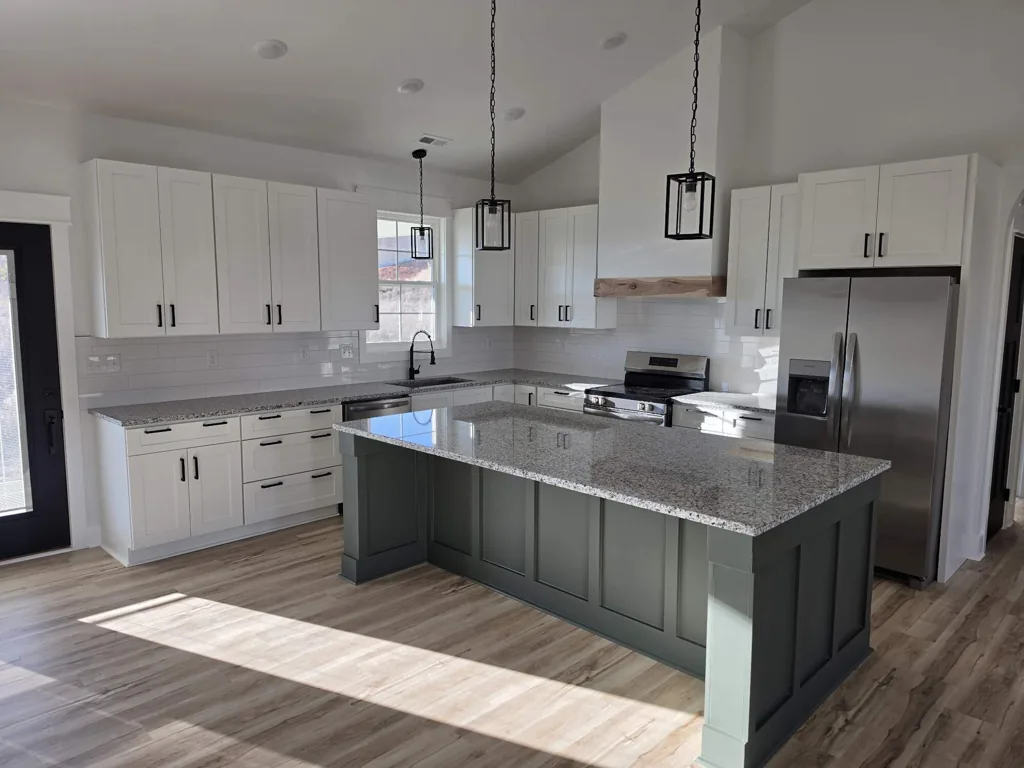
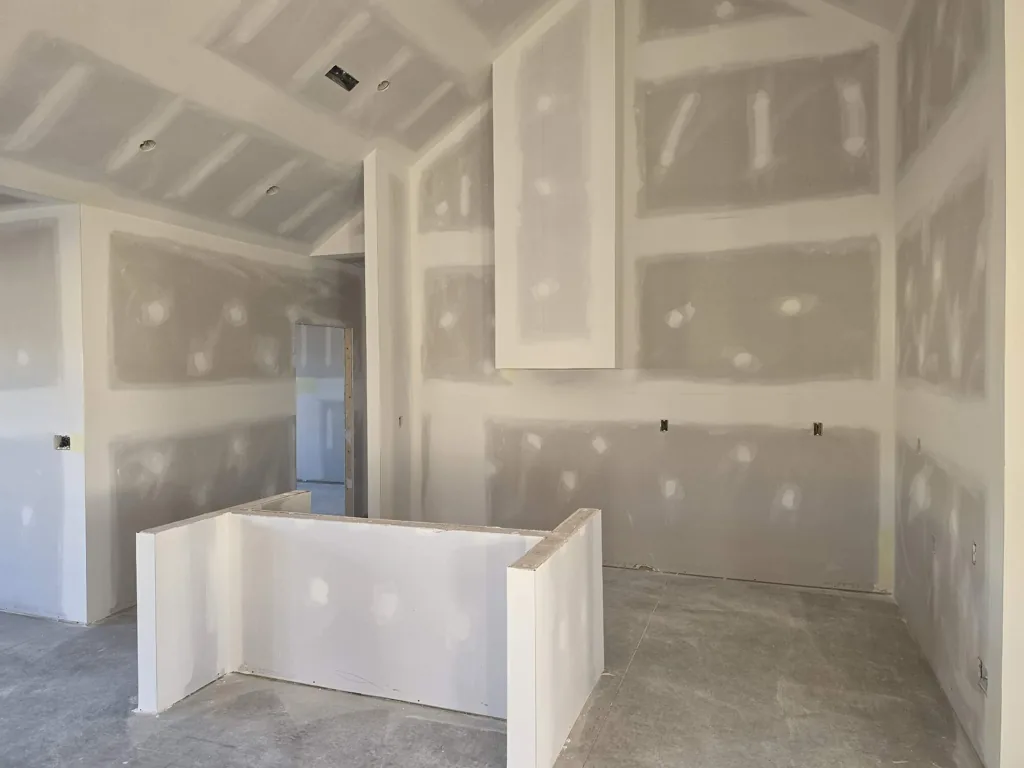
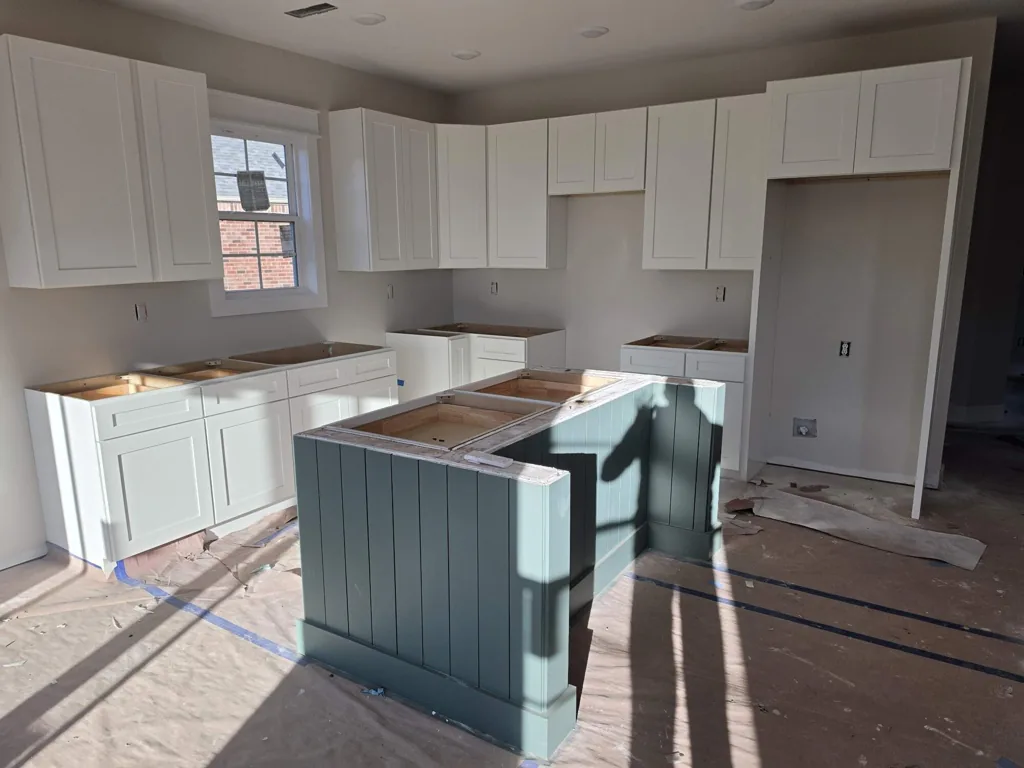
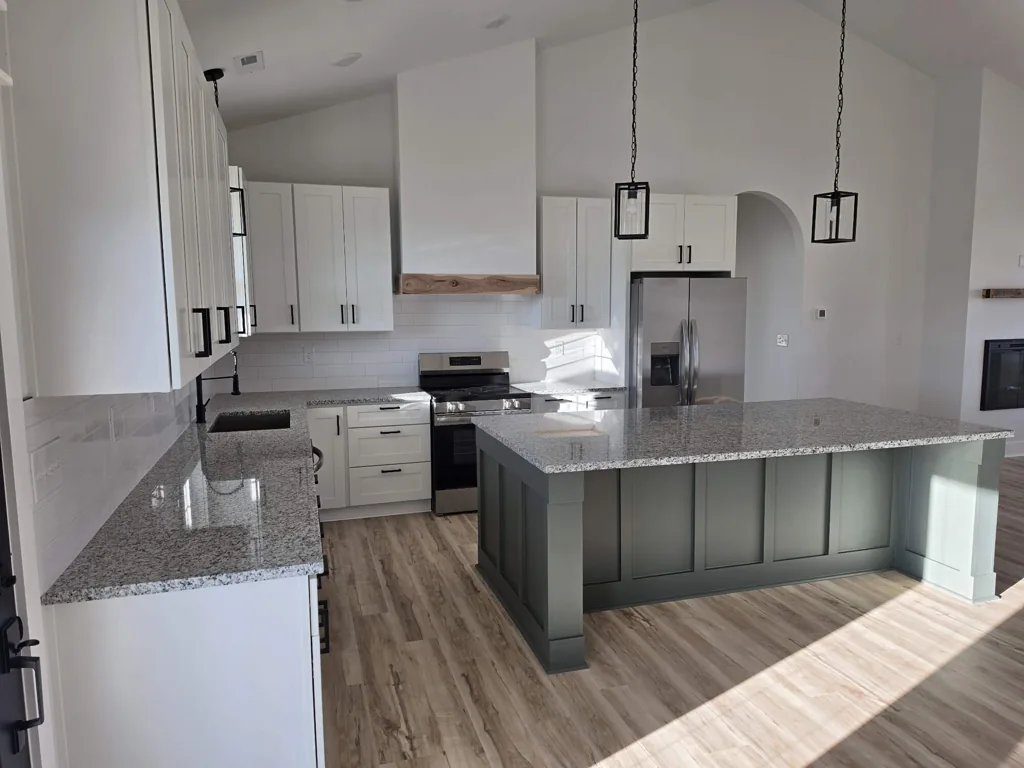
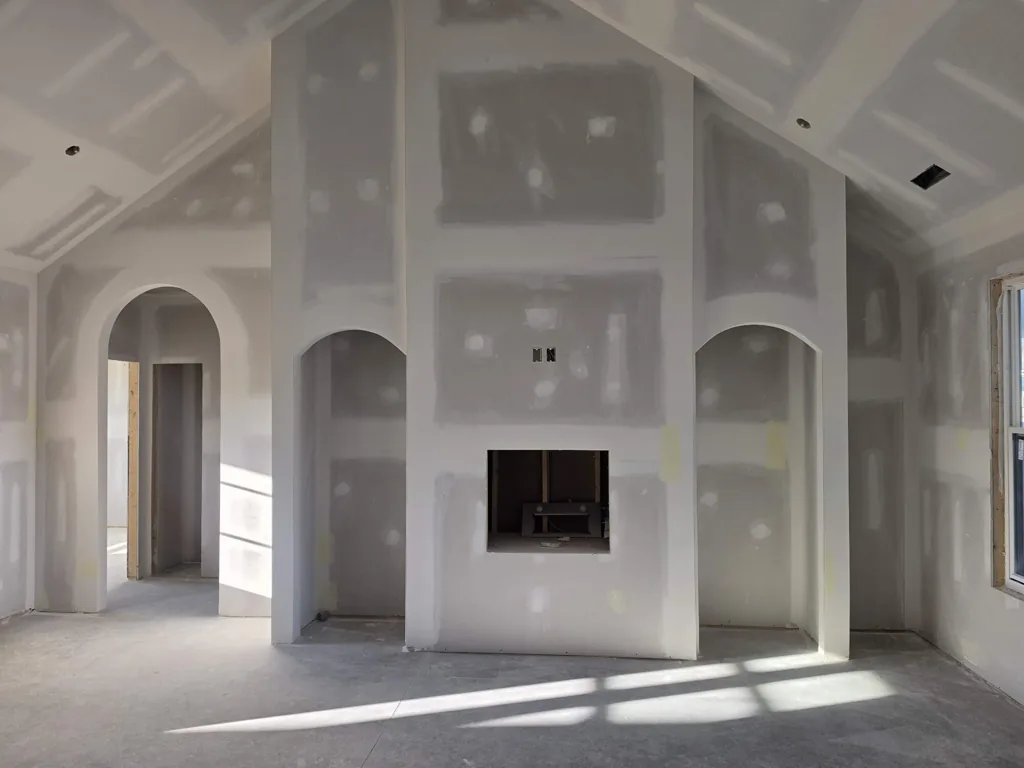
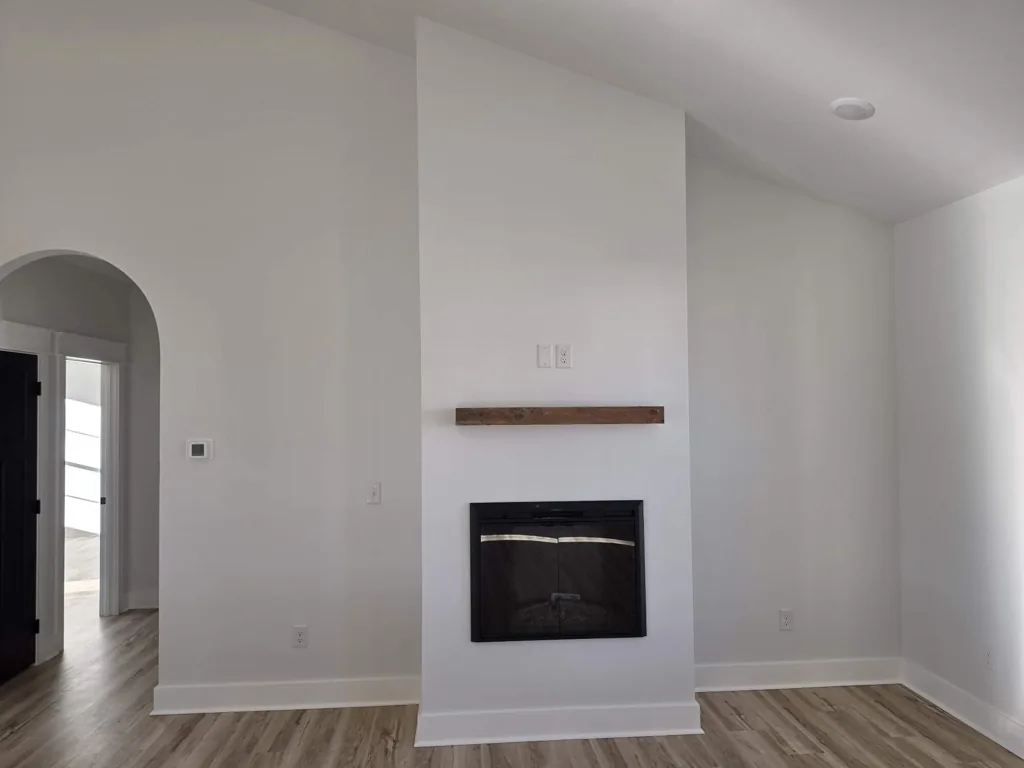
From drywall to move-in
Drywall
Cabinets
Finished
Drywall
Finished
Financing a build
General information, not a loan offer. Your lender confirms eligibility and terms.
Ask me about your building options- Land you own may count as equity/collateral toward a construction loan, depending on the lender.
- Some programs combine the lot and construction in one loan (construction-to-permanent).
- Buying from a builder who includes the land usually means a regular mortgage when the home is done.
- VA buyers: VA has specific builder and loan requirements — work with an experienced VA lender. VA home loans (VA.gov)
Do these during the build, not after
Plan drainage early
Where downspouts discharge, grading and basement waterproofing. Water is the #1 thing that damages homes.
Photograph walls before drywall
So you know where wiring, plumbing and blocking run.
Add outdoor faucets and outlets where you'll actually use them
Including the deck; plan freeze protection with your builder.
Plan network wiring
CAT6 to TV and office spots, with conduit and pull strings for the future.
Have HVAC equipment and ducts designed early
Not dropped into a leftover closet at the end.
Decide on basement finishing during the build
It's usually far cheaper to finish or rough-in while trades are already there.
Plan lighting, switches and wall backing
3-way switches at room entrances, backing for TVs and towel bars.
Plan where the water heater and future water treatment go
Room for a softener and shutoffs.
How I help you build
I built my own home as the general contractor and subcontracted all the work, and I manage the rehabs on my own rentals, so I know the process from the ground up. With my clients, I'm there from the start: helping find land, going over plans and square footage, meeting builders, negotiating, explaining financing options, joining selection appointments for flooring, cabinets and lighting, and staying in touch with the builder through the draws and the final walkthrough. I'm your agent — your builder, lender, inspector and attorney each do their own part, and I help you coordinate them.
“Finish or rough-in your basement during construction. It usually costs far less than doing it after you move in.”Military families & new construction
Why bring your own agent to a builder
- The builder's rep represents the builder.
- Registration rules vary, so contact me before your first visit or online registration.
- Incentives, upgrades, closing help and timelines can often be discussed.
- A second set of eyes at selections and walkthroughs.
Agency and compensation are set out in your written buyer agreement.
Building on your own land
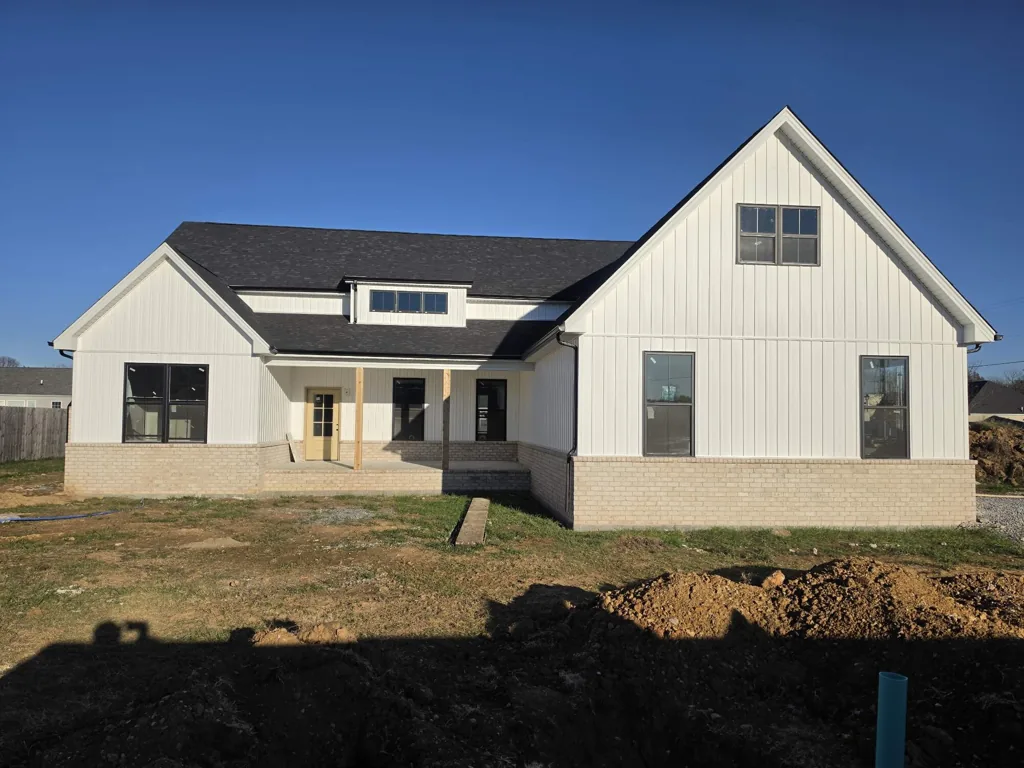
- Survey, easements and setbacks
- Road access
- Septic site evaluation or public sewer
- Utility extensions
- Internet service
- Grading and drainage
- Permits
- A written builder scope
Verify parcel-specific rules with the local planning/health office and licensed professionals.
Frequently asked questions
Do I need to own land before I build a home?
No. Many builders offer lots and plans. If you want land, I'll help you find it — just make sure your house plan fits the lot before you buy.
What comes first, the land or the house plans?
For a custom build, get your plans first, then look for land that fits them. The plans show the footprint and orientation; the final drawings get adjusted to the lot after the survey. In builder communities you usually pick the plan and lot together.
How does financing work when you build a house in Kentucky?
Common paths: use land you own toward a construction loan, a construction-to-permanent loan for lot plus build, or a regular mortgage when buying from a builder who includes the land. Your lender confirms terms.
Can land I already own count toward the build?
Often, depending on the lender and how they value it.
Do I need my own agent when buying from a builder?
The builder's rep represents the builder. Talk to me before your first visit or registration so I can represent you.
Can I negotiate with a builder?
Often some incentives, upgrades, closing help or timelines can be discussed; nothing is guaranteed.
Should I inspect a brand-new home?
Yes. Consider independent pre-drywall and final inspections and a review before the warranty ends.
What should I plan early that's expensive to add later?
Drainage, basement finishing or rough-ins, wiring and outlets, outdoor water and power, HVAC layout. See the full checklist.
What is a perc test?
If there's no public sewer, a site/soil evaluation determines what septic system the lot can use and where it goes, which affects where the house sits.
How long does it take to build a house?
It varies by builder, plan, weather and permits. Get a current written schedule from the builder.
Keep reading
Planning a new home in Kentucky?
Tell me where you are in the process.
Lavell Jackson · Broker/Owner · KY License #274290